

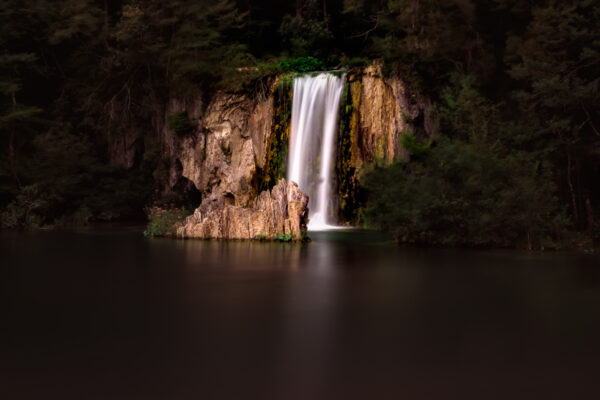
Sometimes a place calls to you not through guidebooks or recommendations, but through an inexplicable pull that transcends rational thought. Plitvice is that place for me—a living canvas where water writes poetry in perpetual motion.
Plitvice: The Call of Distant Waters
Twice I’ve answered Plitvice’s call, separated by decades of life, growth, and evolving vision. Furthermore, each journey revealed not just new photographic possibilities, but deeper layers of understanding about what it means to see a landscape truly.
My first encounter predates the Yugoslav conflict. The world felt different, and my eyes were still learning to read light. However, returning years later, camera in hand and soul weathered by time, I discovered that the soul of the place hadn’t changed. I had. The waterfalls still sang their ancient songs, and I could still hear the harmonies.
Beyond the Surface: Reading Water’s Language
The Poetry of Perpetual Motion
Indeed, water here doesn’t simply flow—it dances, whispers, roars, and sighs. Additionally, each cascade tells a different story, speaks in a different visual dialect. For instance, there’s the thunderous bass note of Veliki Slap, the delicate soprano of unnamed seeps trickling through moss-covered limestone, and the gentle baritone of lakes so still they become mirrors to the sky.
As landscape photographers, we’re translators of these liquid conversations. Therefore, every shutter release attempts to capture not just the physics of falling water, but its emotional resonance—that moment when H2O transcends chemistry to become pure feeling.

The Silence Between Sounds
Finding Solitude in Motion
Undoubtedly, the paradox of Plitvice lies in its ability to offer profound solitude despite constant motion. Although water never stops here, there exists a deep stillness—not the absence of sound, but the presence of a rhythm so fundamental it becomes silence.
Standing before these waters with camera ready, time dilates. Gradually, the mechanical world of exposure settings and composition rules fades. It’s replaced by something more primal: the photographer’s ancient dialogue with landscape. During these moments, technique becomes instinct, and the camera becomes an extension of vision rather than a tool.
The Meditation of Long Exposure
There’s a zen to watching your camera drink in seconds or minutes of Plitvice’s perpetual dance. While the shutter stays open, you become witness to time itself—watching leaves flutter in and out of frame, seeing clouds scud across reflective surfaces, feeling the earth’s rotation in the subtle shift of shadows.
These extended moments teach patience that goes beyond photography. They’re lessons in being present while simultaneously thinking in geological time. Each long exposure becomes a meditation on impermanence and flow.

Plitvice: The Intimate Landscape
Discovering the Unseen
While others seek the grand panorama, I find myself drawn to Plitvice’s intimate secrets. The way morning mist clings to water’s surface like a lover reluctant to part. The subtle gradations of green where moss meets lichen meets fern.
These micro-landscapes often prove more challenging and rewarding than the obvious compositions. They demand slower observation, deeper connection, and the willingness to see beyond the spectacular to find the truly extraordinary in the overlooked.
The Emotional Topography
Every landscape photographer eventually realizes they’re not really photographing places—they’re photographing feelings. Plitvice’s emotional topography runs deeper than its physical geography. There are moods hidden in morning mist, memories embedded in ancient limestone, and dreams reflected in waters that have flowed for millennia.
The challenge isn’t capturing what the place looks like, but conveying what it feels like to stand in communion with waters that have shaped this landscape grain by grain, drop by drop, season after season.

The Weight of History in Plitvice
Photographing Plitvice means engaging with deep time. These formations represent millennia of patient water work, each terrace a chapter in geology’s slow novel. Yet they also carry recent human history—the weight of conflict, the resilience of renewal, the hope embedded in preservation.
Standing here with a camera in hand, you become part of this timeline. Your images join a visual conversation stretching back to the first human who paused in wonder at these waters and forward to future eyes that will see through your captured moments.

The Eternal Return
Why We Come Back to Plitvice
Some landscapes you visit once and file away as memory. Others call you back repeatedly, each return revealing new depths, new possibilities, new ways of seeing. Plitvice belongs to this second category—a place that rewards relationship over casual encounter.
Each visit builds on the last, creating a photographic dialogue across time. Images from different visits speak to each other. They reveal the landscape’s continuity and change, the photographer’s growth and evolution, the eternal dance between observer and observed.
Through my lens, I’ve discovered that this area offers something beyond scenic beauty—it provides a masterclass in patience, attention, and the art of seeing beyond the surface. It’s a place where the boundary between photographer and landscape dissolves, where technique serves vision, and where every frame becomes a prayer to the god of flowing water.
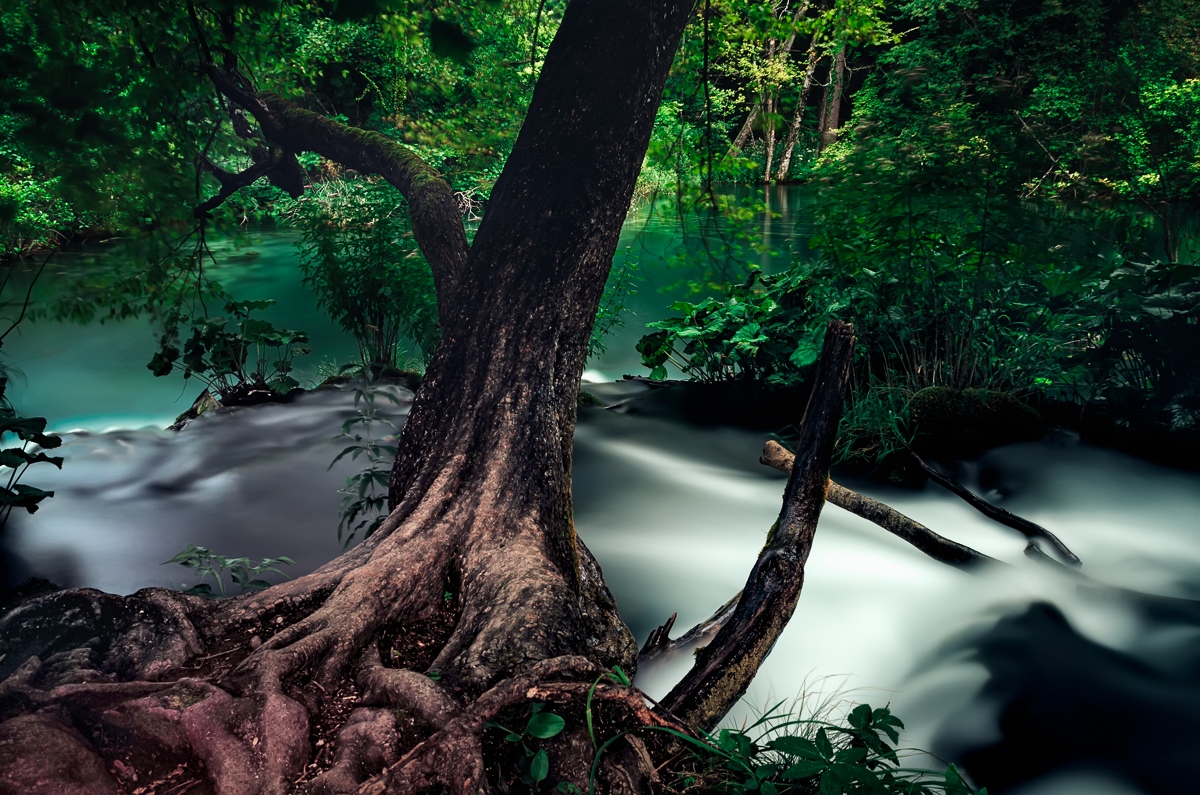
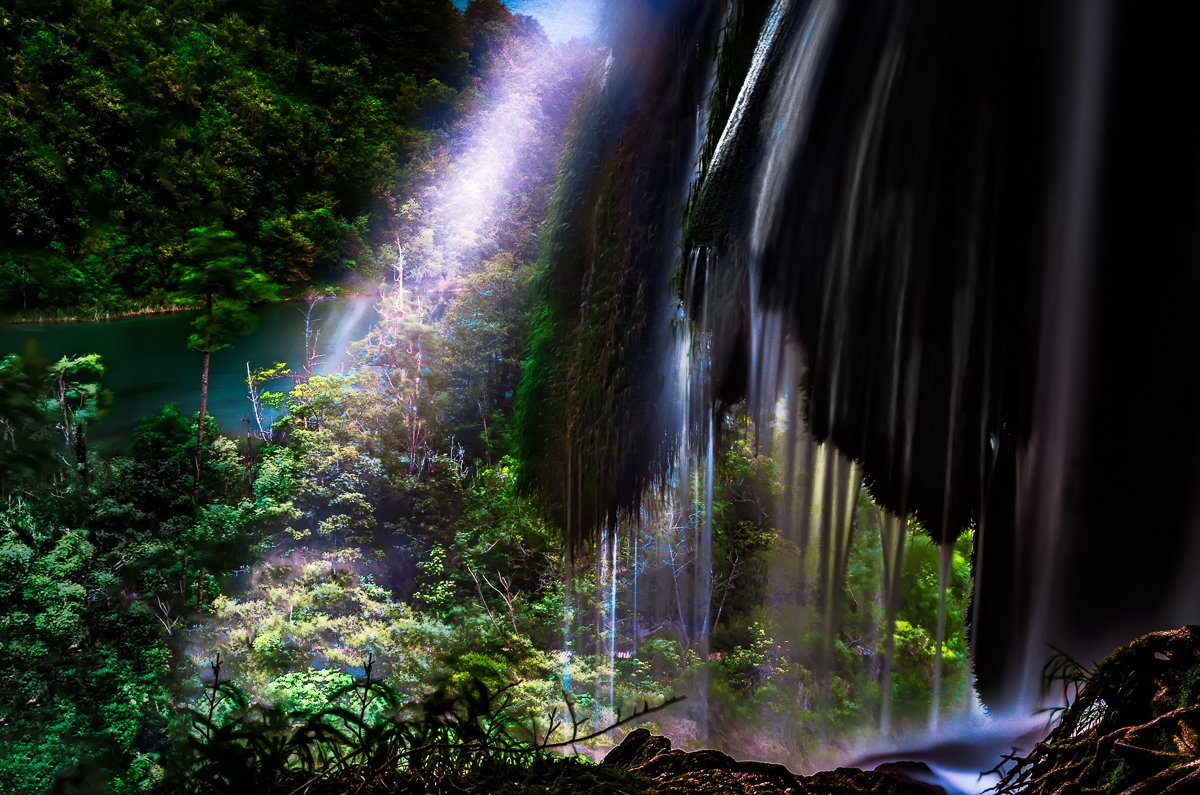
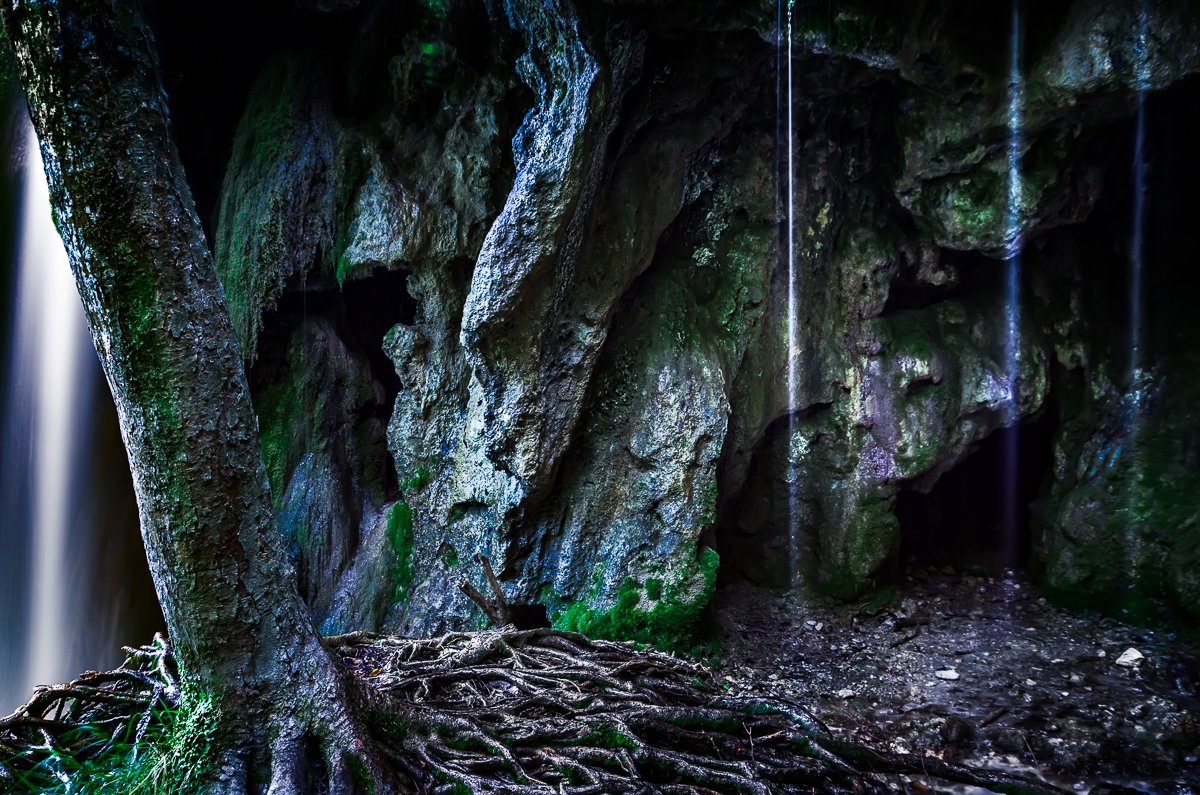

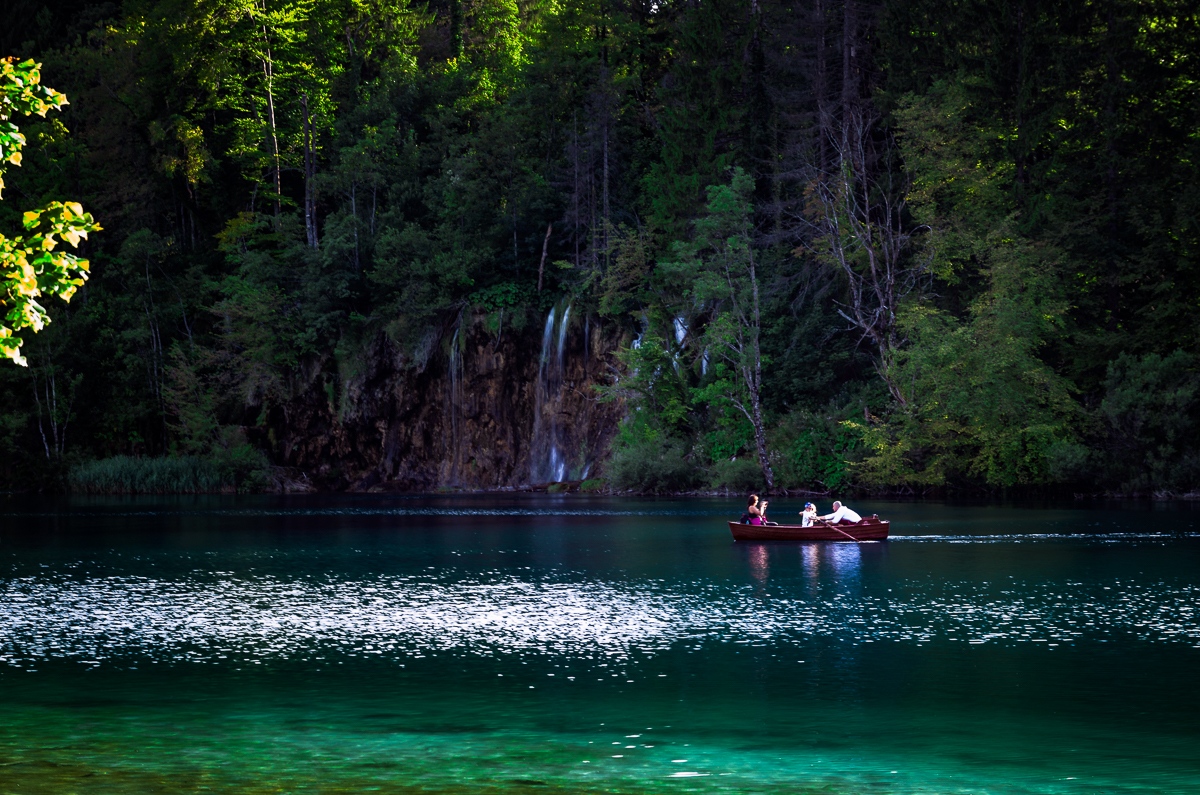
In sharing these reflections and images from Plitvice, I invite fellow landscape photographers to look beyond the technical and embrace the emotional. Here, where water has spent millennia writing its autobiography in stone, we find not just photographic subjects but teachers in the ancient art of patient observation and deep seeing.
Did you like this story?
Subscribe to my newsletter for new photographic stories and travel tales delivered straight to your inbox.
I only write when I have something meaningful to share.
No spam, ever