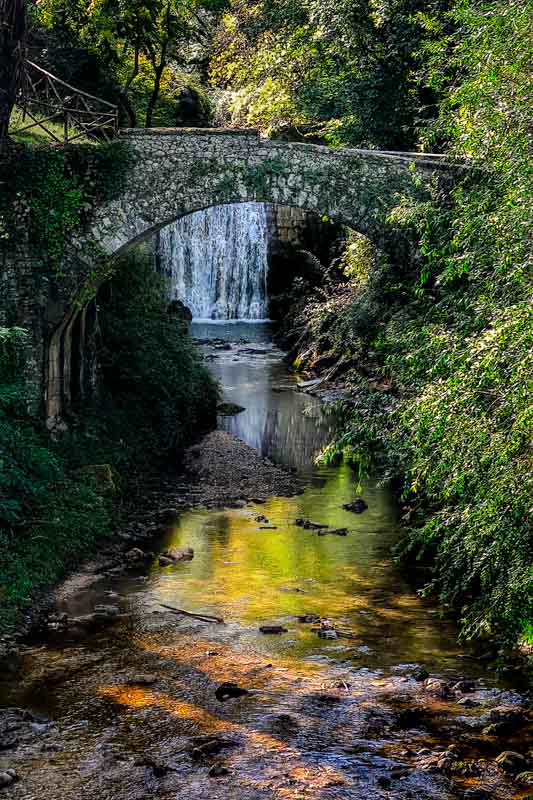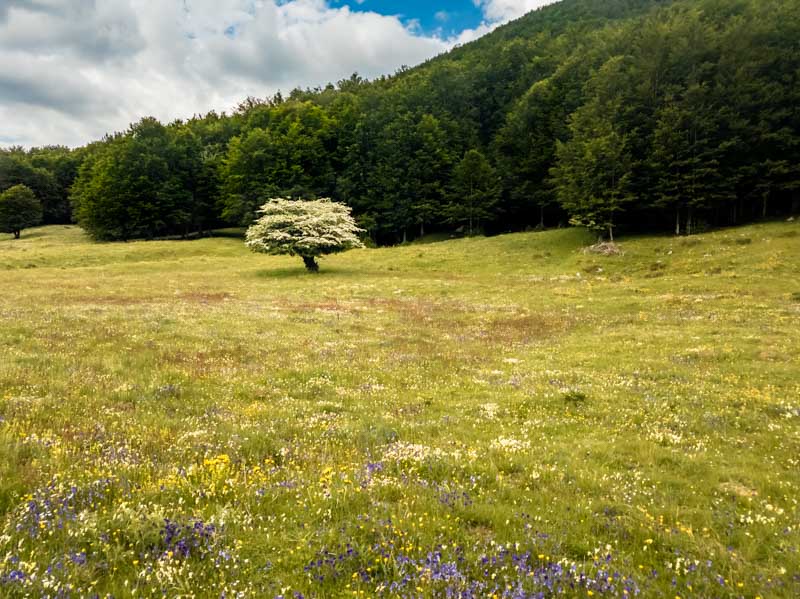
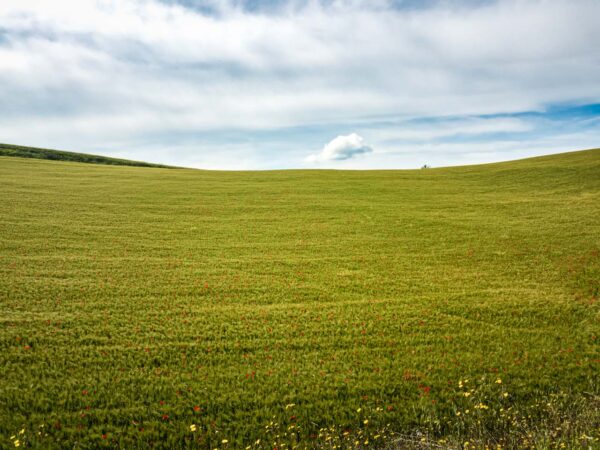
My homeland is the green and hilly Irpinia, a captivating region nestled in the heart of Campania that harbours countless treasures. It’s a land of ancient, fascinating villages, gorgeous landscapes, and fresh, pure air that enchants anyone who ventures off the beaten tourist path.
Often overlooked by visitors heading to the more famous Amalfi Coast or Pompeii, Irpinia offers an authentic and genuine experience of Southern Italy. Here millennial traditions blend with pristine nature and a gastronomy that tells the story of this remarkable land.
From ancient ruins and charming medieval towns to breathtaking landscapes and tantalising cuisine, Irpinia presents a symphony of flavours, colours, and experiences that reflect the region’s rich agricultural heritage and deep-rooted cultural identity.
Historic Villages of Irpinia: Hidden Pearls Among the Hills
Irpinia is dotted with medieval villages that seem suspended in time. Each town tells a unique story through its ancient stones, Romanesque churches, and panoramas that unfold from its historic squares.
Sant’Angelo dei Lombardi, with its imposing castle and Norman cathedral, offers some of the most striking views in the region. Monteverde captivates visitors with its perfectly preserved historic centre, while Calitri enchants with its houses perched on the hillside and views stretching to Basilicata.
Lacedonia and Bisaccia represent the most authentic soul of Irpinia. Here you can still witness traditional crafts passed down through generations. These villages maintain their medieval charm while preserving the ancient rhythms of rural life.
Montemarano is renowned for its carnival traditions and the famous Tarantella dance, while Nusco offers spectacular views and fresh air.
Culinary Excellence: Authentic Flavors of Tradition

Irpinia Wines: World-Renowned Excellence
Irpinia is truly a paradise for wine enthusiasts, home to some of Italy’s most prestigious varietals. The region produces wines that have earned international recognition and represent the pinnacle of Southern Italian viticulture.
Taurasi DOCG, made from Aglianico grapes, is considered the “Barolo of the South” for its structure and ageing potential. This noble red wine can age for decades, developing complex flavours that reflect the unique terroir of Irpinia’s volcanic soils.
Greco di Tufo and Fiano di Avellino represent the excellence of Campanian white wines, with their elegance and aromatic complexity making them perfect companions to local cuisine. Many wineries offer tastings and guided tours, allowing visitors to discover the secrets of Irpinian winemaking.
The region’s wine cellars, often carved into ancient tufa stone, provide the perfect environment for ageing these exceptional wines. Exploring these cellars offers insight into centuries-old winemaking traditions that continue to thrive today.
Irpinian Gastronomy: Tradition and Authenticity

The cuisine of Irpinia reflects the region’s agricultural soul and the creativity of its people in transforming simple ingredients into culinary masterpieces. Every dish tells a story of tradition, seasonality, and deep connection to the land.
Savour the hearty flavours of Irpinian cuisine. Start with the succulent caciocavallo podolico cheese, produced from the milk of Podolica cows that graze on high-altitude pastures. This artisanal cheese is a nationally recognised excellence, prized for its unique flavour and traditional production methods.
The aromatic pasta e fagioli con le cotiche, a hearty pasta dish with beans and pork rinds, represents the quintessential comfort food of the region. This dish embodies the peasant tradition of creating rich, satisfying meals from humble ingredients.
Hand-made fusilli served with local sausage sauce showcase the pasta-making traditions that have been preserved for generations. The Montella chestnuts IGP are the base for traditional sweets and the stars of autumn festivals that bring the region’s villages to life.
History and Resilience: The 1980 Earthquake and Rebirth
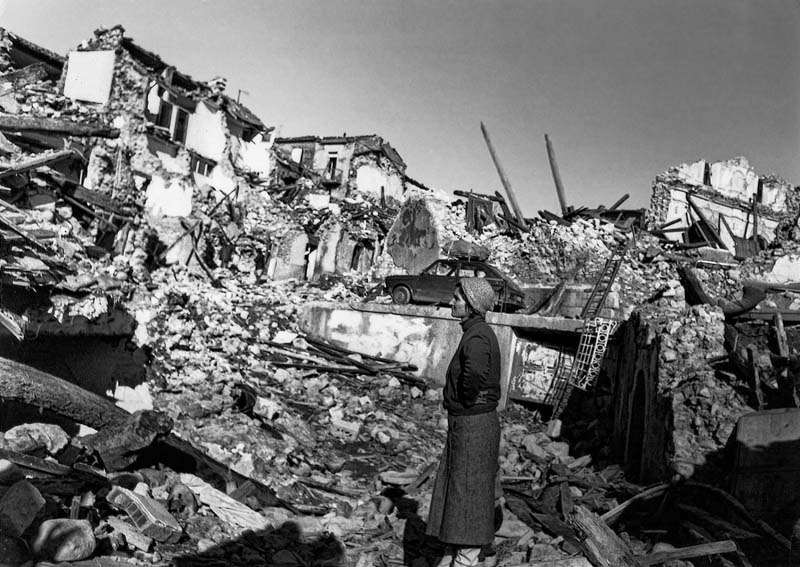
Irpinia’s recent history is marked by a dramatic event that demonstrated the strength and resilience of this land and its people. On November 23, 1980, a devastating earthquake struck the region, leaving behind a trail of destruction and immense loss.
However, this tragic event also revealed the indomitable spirit of the Irpinian people. With unwavering determination and remarkable solidarity, communities rebuilt not only homes and infrastructure but also the social and economic fabric of the region.
The earthquake became a turning point that led to innovative reconstruction efforts, improved building standards, and renewed focus on preserving cultural heritage while embracing sustainable development.
Today, museums and memorials scattered throughout the territory tell this story of pain and rebirth, testifying to Irpinia’s capacity for transforming tragedy into opportunities for growth and renewal. These sites serve as powerful reminders of the region’s resilience and the human capacity to overcome adversity.
When to Visit Irpinia: Seasons and Events
Spring (March-May): Ideal for hiking and photography, when the blooming transforms the landscapes into impressionist paintings. Temperatures are mild, and the countryside comes alive with wildflowers and fresh greenery.
Summer (June-August): Perfect for exploring villages and participating in local festivals. Despite the season, evenings remain cool thanks to the altitude, making it comfortable for outdoor activities and evening strolls.
Autumn (September-November): The harvest season for grapes and chestnuts, with spectacular colours and food and wine festivals. This is when the region truly celebrates its agricultural heritage with numerous sagras (food festivals).
Winter (December-February): Atmospheric scenes in the villages, ideal for discovering authentic traditions and enjoying hearty winter cuisine. Snow occasionally dusts the higher elevations, creating magical winter landscapes.
How to Reach Irpinia
Irpinia is easily accessible by various means of transportation:
- By car: A16 Naples-Bari highway with dedicated exits to major centres
- By plane: Naples Capodichino Airport (50 miles), Salerno Airport (20 miles) or Bari Airport (75 miles)
- By bus: Regional bus services connect Naples to Avellino. Local buses connect the villages.
Experience Authentic Italy in Irpinia
Irpinia promises an unforgettable experience for those who venture off the beaten path in search of authenticity, away from crowds and in contact with nature and culture that still know how to amaze. It’s a land that enters your heart and stays forever, just as it happened to me.
This region offers more than just beautiful landscapes. It provides an opportunity to connect with the authentic rhythms of Italian rural life. To taste wines that have been perfected over centuries, and to witness traditions that have survived the test of time.
From the warmth of local hospitality to the richness of cultural heritage, from the excellence of local products to the beauty of untouched landscapes, Irpinia represents everything that makes Italy unique and special.
Have you visited Irpinia or are you planning a trip? Share your experience in the comments below or contact me for personalised advice on your photographic adventure in this wonderful land. I’d love to help you discover the hidden gems that make Irpinia so special.