

A photographic journey through time along Romania’s last working narrow-gauge railway
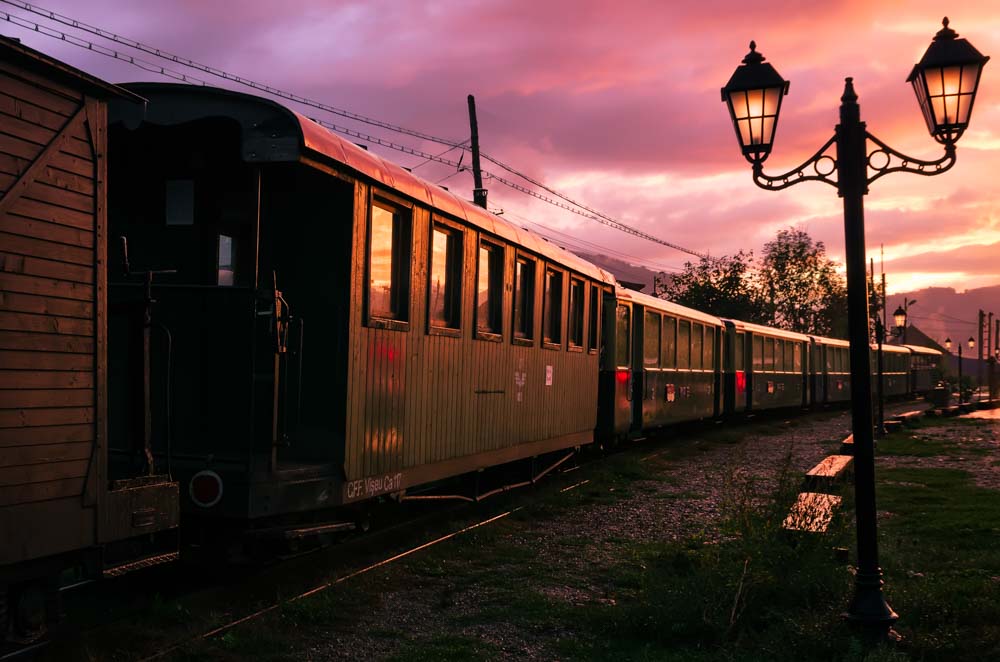
A Photo Journey through Maramureș, Northern Romania
My trip on board Mocănița is a consequence of my fascination with discovering the unusual aspects of every nation.
In my endless quest to uncover the extraordinary hidden within the ordinary corners of our world, I found myself drawn to the whispered tales of a railway that refuses to surrender to time.
The Mocănița of Maramureș called to me like an old song half-remembered—a melody of steam and steel, of forests and forgotten rhythms.
Located near the Ukrainian border, this historic narrow gauge train represented exactly the kind of subject I seek: genuine, working heritage that tells stories of tradition, industry, and landscape.
The Call of Authentic Romania
There’s something magical about planning a journey toward the unknown familiar. My research had painted pictures in my mind. A narrow ribbon of track winding through untamed landscapes. Locomotives breathing life into the mountain air, carriages heavy with the scent of fresh timber. Built in 1932, this isn’t just a railway—it is a living testament to human persistence, still carrying its original purpose while opening its heart to wanderers like myself.
The deeper I delved into Maramureș, the more I realised this journey would become something larger than I had imagined. The region’s wooden churches, standing like ancient prayers carved in timber, would soon capture my lens alongside the railway, weaving themselves into a richer tapestry of discovery.
When Iron Horses Dance with Dawn
Picture this: dawn breaking over the Carpathian foothills. Mist rising from the river valley, and suddenly—the distant whistle of the Mocănița piercing the morning silence. This is no museum piece preserved in glass; it’s a working railway where tourism and industry dance together in perfect harmony. This creates unique opportunities to document authentic industrial heritage in action and allows visitors to experience its charm and historical significance..
Built in 1932, the Mocănița continues to operate with both steam and diesel locomotives, primarily transporting timber from the highlands to the processing plant in Vișeu de Sus. Understanding this operational aspect was crucial for planning my photographic approach.
Landscapes That Whisper Stories
The Mocănița doesn’t simply travel through landscapes—it converses with them. From the gentle murmur of the river valley to the cathedral silence of ancient forests, each kilometre reveals new chapters in this visual story.
Imagine standing trackside as the little train appears like an apparition through the trees, its steam mingling with the forest mist, creating momentary ghosts that vanish as quickly as they form. The rhythmic pulse of wheels on rails becomes a meditation, a return to simpler times when journeys were measured not in speed but in the richness of what passed by your window.
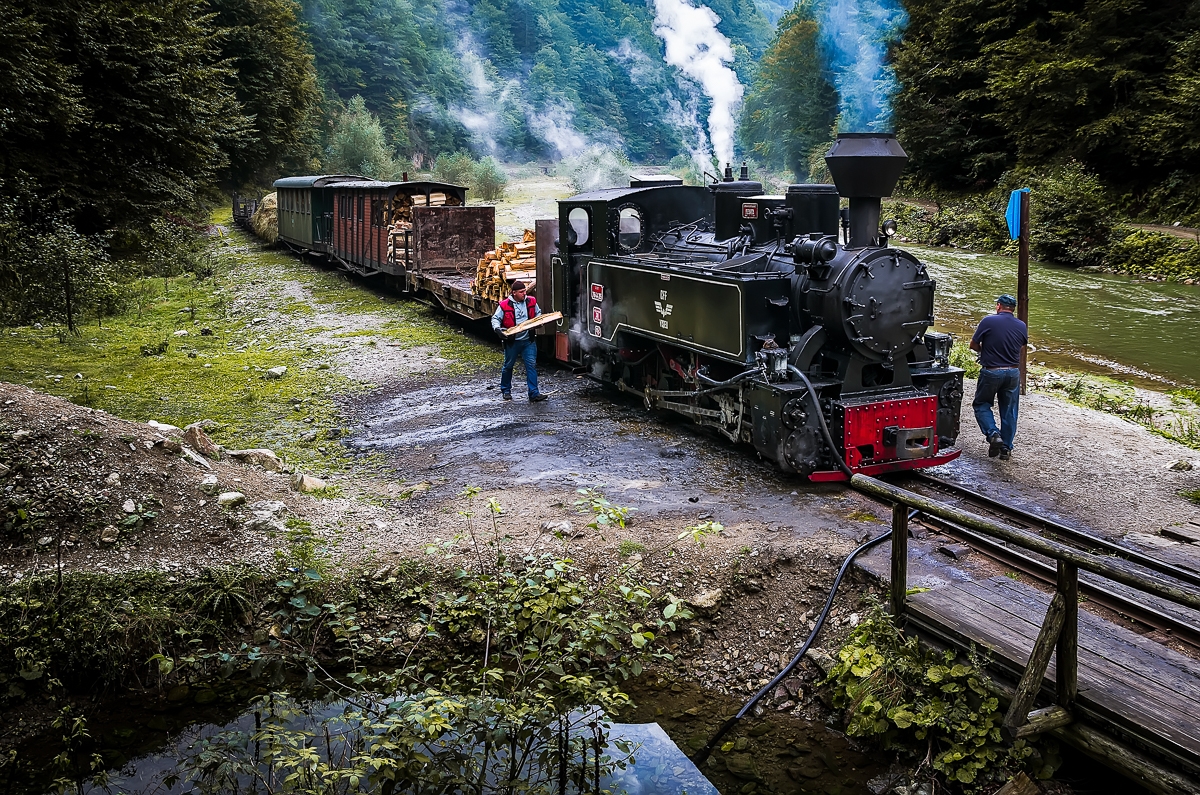
Mocănița: The Soul of Working Heritage
What moves me most about the Mocănița is its refusal to become merely nostalgic. Six days a week, it carries out its original mission—transporting timber from the highlands to the mills below. Yet it also opens its carriages to dreamers and photographers, creating a unique space where past and present breathe together.
This is industrial heritage at its most authentic—not preserved behind velvet ropes, but alive, working, evolving. The faces of railway workers tell stories of generations who have kept these wheels turning. Tourists from distant lands find themselves unexpectedly moved by the simple poetry of steam and steel.
Mocănița: An Authentic Experience
One of the highlights of my trip was witnessing a long train loaded with logs at the Paltin station. The locomotive at the back works tirelessly to brake and control the speed as it descends. That’s a challenging task given the timber’s weight. It’s a fascinating glimpse into the railway’s operational side, blending seamlessly with the touristic experience.
Beyond the Rails of Mocănița: The Greater Maramureș Story
The Mocănița was my gateway, but Maramureș revealed itself as a keeper of deeper mysteries. The wooden churches that dot this landscape—each one a masterpiece of faith and craftsmanship—became essential chapters in my photographic narrative. And then there was Săpânța’s extraordinary cemetery. Here, death is celebrated with colourful stories carved in wood and verse, transforming sorrow into art with a uniquely Romanian spirit.
Together, railway, churches, and the joyful remembrance of the Merry Cemetery created a portrait of a region where time moves differently, traditions aren’t just preserved but lived, and even mortality is embraced with poetry and humour.
Did you like this story?
Subscribe to my newsletter for new photographic stories and travel tales delivered straight to your inbox.
I only write when I have something meaningful to share.
No spam, ever
Just want to see more images of Mocănița? The full gallery is here.