


“Sono andato via dall’ Islanda che ero molto giovane. Ho girato il mondo, sono stato pilota delle navi che attraversavano il Canale di Panama. Mi sono sposato e mi sono trasferito in Canada. Lì sono nati i miei figli. Poi un giorno ho sentito che era giunto il momento di ritornare. Abbiamo fatto le valigie e siamo di nuovo a Reykjavík”.
Alto, biondo barbuto proprio come un archetipo di vichingo, Jonas si è inventato le passeggiate spettrali di Reykjavík.
Un tour a piedi alla scoperta degli angoli misteriosi dove si aggirano i fantasmi: marinai affogati, bambine uccise dalle madri perché sospettate di stregoneria, spettri che regolarmente terrorizzano i poveri abitanti di questa città al confine del circolo polare, finché non ottengono ciò che vogliono.
In fondo Reykjavík è la capitale della nazione che riconosce il mondo nascosto dei troll e degli elfi come mondo reale, solo invisibile. Quindi perché meravigliarsi che qualcuno attraverso le sue passeggiate spettrali voglia farvi conoscere i fantasmi del luogo?

Ma andiamo per ordine.
“Un giorno – continua Jonas – mi telefona dal Canada una mia amica, una medium con la quale in passato avevo bevuto qualche birra. Mi racconta di aver fatto un sogno nel quale le veniva svelato che le sue radici erano in Islanda. Era da che lì proveniva tutta l’ energia che le permetteva di entrare in contatto con gli esseri soprannaturali. Era stata una rivelazione ed adesso voleva partire immediatamente per Reykjavik e le sembrava giusto avvertire il suo amico islandese. Già – pensai io – e magari ti serve anche un posto per dormire”.
Jonas è così: disincantato e pieno di humour. Però sembra davvero credere alle cose che fa e le fa bene. Sa coinvolgere i suoi clienti, sa raccontare magistralmente le sue storie ed è anche una miniera di aneddoti. Non solo sugli spettri islandesi (che pure hanno una reputazione) ma anche sulle storie strane che gli sono capitate durante le sue passeggiate spettrali.
E poi è anche un fotografo, un appassionato naturalista e fa commercio di oggetti artistici.
Insomma, si tratta di un personaggio interessante ed anche un po’ misterioso, nonché un abile affabulatore.
Sul fatto che in Islanda il costo della vita sia elevatissimo ha una sua teoria molto particolare:
“Non è vero che qui tutto costa molto perché viviamo su un isola dove tutto deve essere importato via mare con costi molto alti. Ho visto con i miei occhi sui banchi di un mercato del pesce in Belgio merluzzi provenienti dall’ Islanda venduti ad un prezzo più basso rispetto a Reykjavík! E allora? E allora la spiegazione è nelle nostre radici vichinghe. I nostri antenati avevano una reputazione per le loro scorribande. Arrivavano in una landa straniera, stupravano le donne e rapinavano i locali di tutti i loro averi. Oggigiorno ci siamo un po’ evoluti e siamo più sedentari. Le donne non le violentiamo più e per rapinare gli stranieri aspettiamo che siano loro a venire da noi!”.

Le passeggiate spettrali si rivelano un piacevole passatempo. Ci fanno scoprire che una delle piazze principali della capitale era fino a pochi decenni fa un cimitero. E le tombe non sono state spostate! Sono ancora lì, sotto il marciapiede. Stiamo calpestando i resti di gente che ha vissuto nella seconda metà dell’ 800, quando gli abitanti di Reykjavík erano poco più di mille e le strade erano sterrate. Tre lapidi in un angolo del giardino della piazza, seminascoste tra foglie e piante sono lì a dimostrarcelo.
Jonas ci racconta poi dello spettro di Steinunn di Sjöundáuna, una donna particolarmente sfortunata. Fu imprigionata per qualche sua colpa e cadde così nelle grinfie di Sigvart Bruun. Costui era il carceriere danese dell’ epoca. Aveva una simpatica abitudine: stuprava tutte le sue detenute, e poi, se qualcuna di queste sventurate rimaneva incinta, le uccideva. Questa fu la sorte che toccò a Steinunn, la quale – dopo essere stata assassinata – fu sotterrata in terra non benedetta. Poco tempo dopo la morte della povera donna, a Reykjavík apparve uno strano spettro, che si materializzava ad ogni funerale e seminava il terrore fra i presenti.
Tutto ciò durò per anni. Finché le autorità cittadine – d’ accordo con la chiesa locale – presero la decisione di traslare di nascosto la tomba di Steinunn nel cimitero. Da quel momento lo spettro si calmò. Non apparve più a terrorizzare innocenti, peccatori e cavalli addetti al tiro del carro funebre.
Quando Jonas ci porta a visitare la tomba della poveretta, la troviamo quasi incastrata tra le altre. Piccola e stretta, come se davvero fosse stata scavata in un secondo momento.
E la tomba l’ abbiamo anche vista. Si trova nel nuovo cimitero di Reykjavík, tappa finale – direi quasi obbligata – delle passeggiate spettrali. Uno dei pochi posti alberati di tutta l’ Islanda! Piccola e stretta tra tante altre, la tomba sembrava che fosse realmente stata realizzata in seguito.
Poi seguiamo Jonas alla scoperta della tomba di una bambina uccisa dalla mamma perché pensava che fosse una strega. E qualche motivo ce l’ aveva! Le case da dove la piccola usciva per andare a cibare gli uccelli si incendiavano e tutti gli abitanti morivano. Capitò così al patrigno che la maltrattava. Ed anche all’ amante dello stesso patrigno. E’ l’ unica tomba del cimitero sormontata da una croce capovolta.

In questo crepuscolo che non diventerà mai notte ed in quest’ atmosfera che Jonas ha saputo creare, sorge spontanea una domanda: hanno voluto sistemare sulla tomba di questa povera bambina la croce di Pietro, che si fece crocifiggere a testa in giù in quanto non si riteneva degno di subire la stessa sorte di Gesù, oppure il simbolo del Maligno?
Non conosceremo mai la risposta, ma poi Jonas ci distrae facendoci notare un’ altra particolarità di questa sepoltura.
E’ l’ unica dove il terreno che la ricopre è quasi privo di muschio. Qui non c’ entrano eventi soprannaturali ma solo la superstizione. Il muschio viene infatti raccolto di nascosto dagli adepti di sette esoteriche, che lo utilizzano poi per i loro rituali magici. Almeno così sostiene Jonas, che non è mai avaro di storie. Anzi, sulle storie ha una sua teoria relativistica:
“Esistono tre punti di vista di ogni storia: il punto di vista dei vincitori, il punto di vista dei perdenti ed il mio punto di vista”.

“Il nostro cimitero è un parco, una storica tradizione in tutto il Nord Europa, e non chiude di notte. Anzi spesso d’ estate, quando c’è sempre luce, la gente viene a passeggiarci, a godersi la calma ed il clima di raccoglimento. Ma non sono solo questi i frequentatori del cimitero. Ci sono giovani che approfittano della tranquillità e dei numerosi ripari dietro agli alberi ed alle steli per venire ad ubriacarsi o a fumare marijuana.“
Le passeggiate spettrali possono anche avere risvolti tragicomici, almeno secondo Jonas.
“Una sera di settembre, era già praticamente buio e stavo raccontando al mio gruppo la storia dello spettro che compariva ai funerali; tutti erano molto attenti e si era creata un’ atmosfera di attesa sospesa. Mentre terminavo il racconto mi sono spostato da sotto l’ albero dove mi ero fermato ed all’ improvviso alle mie spalle ho sentito un tonfo. Siamo trasaliti tutti, anche io. Ed invece era solo un giovane che si era accomodato su un ramo per godersi in pace la sua birra o il suo spinello e che si era addormentato ed era caduto giù“.
C’è poi un’ altra tomba dove Jonas afferma che non si deposita mai la neve, neanche in inverno, perché il terreno che la ricopre è più caldo rispetto a quello circostante. E’ la tomba di un personaggio che già in vita era celebre per la sua energia e per le sue particolari doti psichiche. Siamo tutti increduli, ma Jonas si china e tocca il muschio della tomba e ci invita a fare lo stesso: in effetti il terreno di quella tomba è più caldo, lo si avverte a pelle.
“In fondo abbiamo fatto una bella passeggiata, che voi siate stati ad ascoltarmi o no”, è così che alla fine Jonas il Vichingo ci saluta.
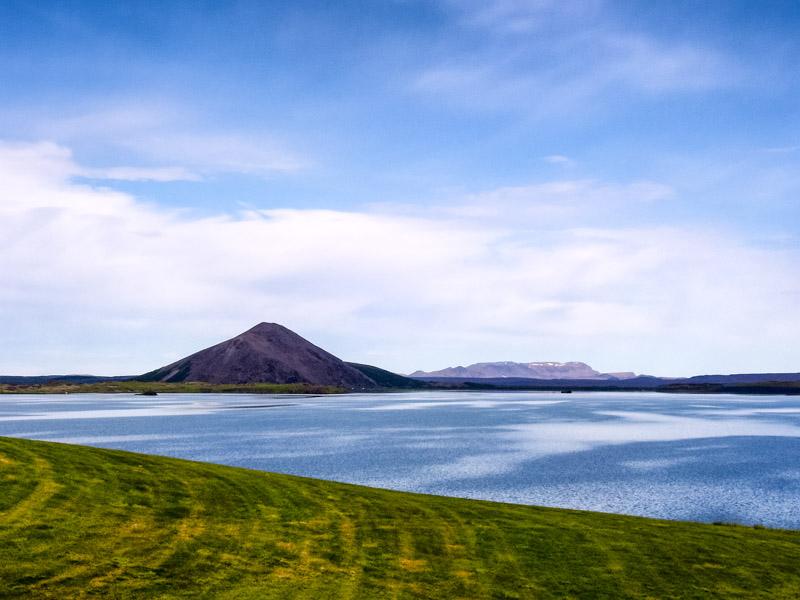
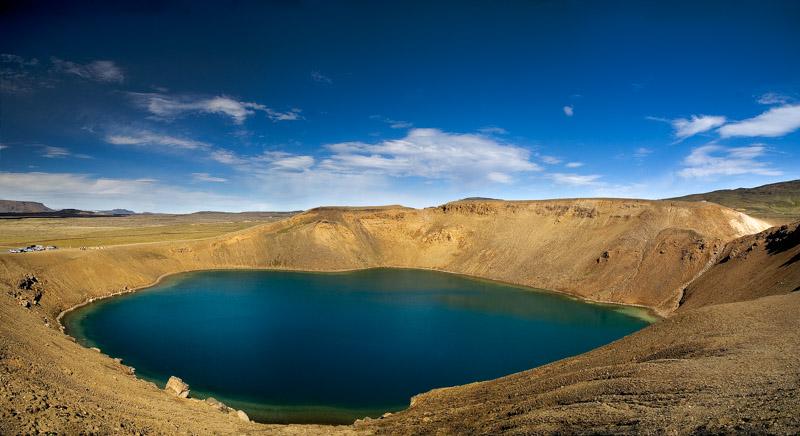


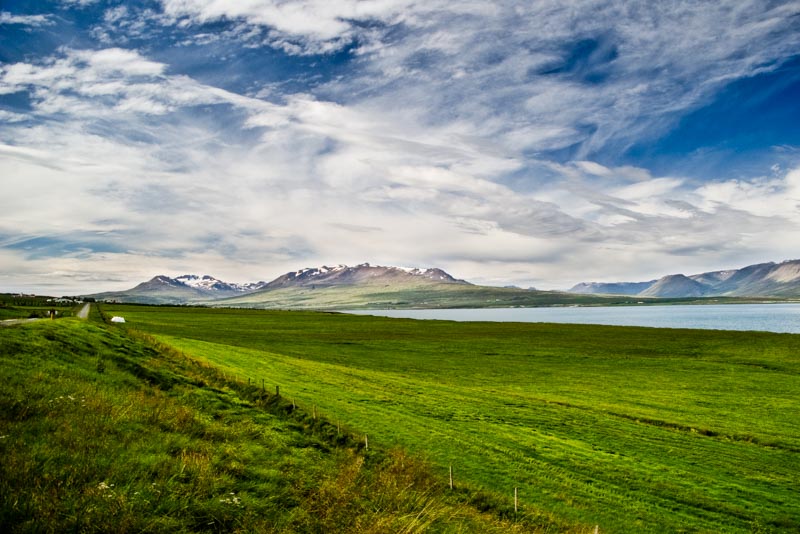
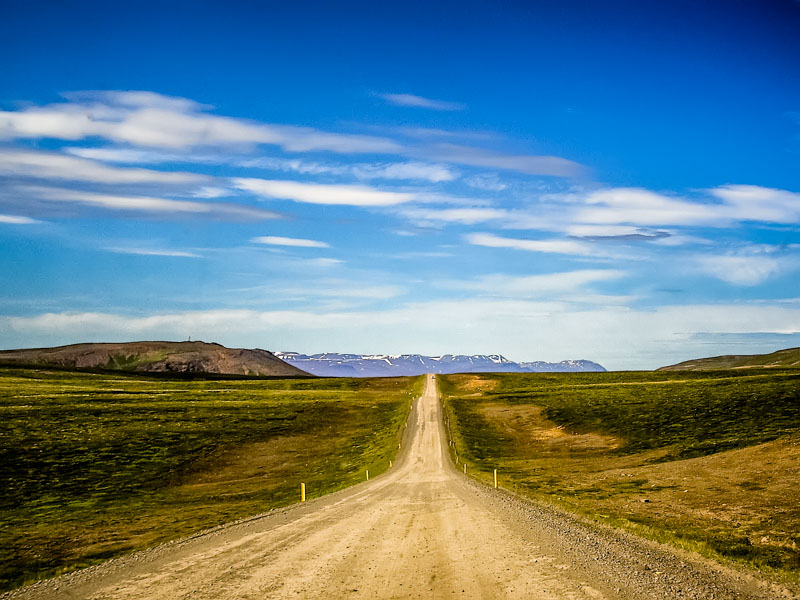

![Jökulsárlón (literally "glacial river lagoon") is a large glacial lagoon in southeast Iceland, on the borders of Vatnajökull National Park. Situated at the head of Breiðamerkurjökull, it evolved into a lagoon after the glacier started receding from the edge of the Atlantic Ocean. The lake has grown since then at varying rates because of melting of the Icelandic glaciers. The lagoon now stands 1.5 kilometres (0.93 mi) away from the ocean's edge and covers an area of about 18 km2 (6.9 sq mi). It recently became the deepest lake in Iceland at over 248 metres (814 ft) depth as glacial retreat extended its boundaries.[1] The size of the lagoon has increased fourfold since the 1970s.[2][3][4][5] It is considered as one of the natural wonders of Iceland. The lagoon can be seen along Route 1 between Höfn and Skaftafell. It presents a picturesque parade termed as “A ghostly procession of luminous blue ice-bergs through the 17 km2 (6.6 sq mi) (18 km2 (6.9 sq mi) as reported in other sources) Jokulsarlon Lagoon”.[3] Jökulsárlón has been a setting for four Hollywood movies -- A View to a Kill, Die Another Day, Tomb Raider and Batman Begins -- in addition to the reality-TV series Amazing Race.[3][6] A postage stamp depicting Jökulsárlón was issued in 1991 with a face value of 26 krónur.[2] The tongue of the Breiðamerkurjökull glacier is a major attraction for tourists. Tour operators conduct snowmobile and jeep tours to visit the glacier along the winding iceberg-studded Jökulsárlón Lagoon. The base station for visits to the area is at Joklasel, which is approached from Hofn. The Jökulsárlón lagoon provides outstanding views of the Ice Cap, which is a vast dome of ice that rises to a height of 3,000 feet (910 m). It spills to the lagoon 12 miles (19 km) away from the jagged glacier hill to the edge of the water line. The lagoon developed only about 60 years ago (1948 is mentioned), when the entire area was less than 100 feet (30 m) of glacier, which was only 250 yards (230 m) from the Atlantic Ocean, and 2 miles (3.2 km) away from Vatnajökull . Vatnajökull was at the shore line of the ocean and dropped icebergs into the ocean. However, it started drifting in land rapidly every year leaving deep gorges en route, which got filled with melted water and large chunks of ice. These icebergs gather at the mouth of the lagoon’s shallow exit, melt down into smaller ice cubes and roll out into the sea. The lagoon is the lowest point in Iceland with land at 200 metres (660 ft) below sea level. In summer, they melt and roll down the channel into the sea. In winter the lagoon freezes and locks the icebergs in place. Ice water and soil make a unique ecological phenomenon. Jökulsárlón lake or lagoon, the Icelandic “glacier lake” is now reported to have doubled in size in the recent 15-year period. The huge blocks of ice that calve from the edge of Vatnajökull are about 30 metres (98 ft) high which fills the lagoon stocked with icebergs.[5][7][8][9] Some icebergs appear naturally sculpted on account volcanic ashes from ancient eruptions that partly cover them.[10] An iceberg with Vatnajökull in the background. The icebergs in Jökulsárlón, as well as this iceberg, are icebergs that fell off Vatnajökull. An isolated iceberg on the sand beach Glacial lagoon with icebergs With the rate at which Vatnajökull is retreating and the lagoon is getting formed, in the near future, it is anticipated that there is likely to be a deep fjord where Vatnajökull is now. This retreat is also posing a threat to the National Highway Route 1 of Iceland. Reykjavík, the capital of Iceland is 250 kilometres (160 mi) from the lake and the road between the capital and the lagoon winds through a dozen other glaciers, which are also under retreat. It is 75 kilometres (47 mi) to the west of Höfn town and 60 kilometres (37 mi) east of Skaftafell National Park.[8][10] It is accessible by the ring road, Route 1, that goes across the lagoon, and where parking facilities have been provided for visitors. It is also known as the "Tourist Conveyor belt". While walking on the shore, isolated large blocks of icebergs can be seen on the black sand beach.[5] The picturesque scene of the Jökulsárlón lagoon and the Breiðamerkurjökull glacier have been part of the James Bond films A View to a Kill (1985) and Die Another Day (2002), as well as Batman Begins (2005)[3] and Beowulf and Grendel (2005). The popularity of the glaciers could be attributed to these blockbuster films, to Lara Croft's Tomb Raider and also to the popular commercials which have been centred on this location.[4][10] Choreographing the car chase scene, which was once called one of the greatest movie car chases of all time, between a Jaguar and Aston Martin, a set that was created for the film at the location of the lagoon was a challenge to 'Action Unit' Director Vic Armstrong, of the Bond film Die Another Day.[15] The popularity of the lagoon has been further boosted by the TV coverage provided live from Jökulsárlón Lagoon on the American TV program Good Morning America (American morning news and talk show that is broadcast on the ABC television network) in southeast Iceland, on November 13, 2006. The "amazing landscape” covered on the TV programme not only included Jökulsárlón Lagoon filled with icebergs but also pictures of Antarctica and the polar ice caps, which were telecast live from Iceland. This live broadcast, which was made possible by a crew of 30 people, is reported to have been watched by 4 million people. Jökulsárlón è il più grande e più conosciuto lago di origine glaciale dell'Islanda. Situato a sud del ghiacciaio Vatnajökull, tra il Parco nazionale Skaftafell e la città di Höfn, apparve per la prima volta tra il 1934 e il 1935 e dal 1975 crebbe dai 7,9 km² agli attuali 18 km² di superficie, a causa dello scioglimento accelerato dei ghiacciai islandesi. Possiede una profondità massima di circa 200 m, il che lo rende probabilmente il secondo lago più profondo d'Islanda. Una delle sue caratteristiche più sorprendenti è la presenza di numerosi iceberg che derivano dalla lingua del ghiacciaio del Breiðamerkurjökull.](https://www.photosontheroad.eu/wp-content/uploads/2022/03/17072008-IMGP4489.jpg "Jökulsárlón (literally \"glacial river lagoon\") is a large glacial lagoon in southeast Iceland, on the borders of Vatnajökull National Park. Situated at the head of Breiðamerkurjökull, it evolved into a lagoon after the glacier started receding from the edge of the Atlantic Ocean. The lake has grown since then at varying rates because of melting of the Icelandic glaciers. The lagoon now stands 1.5 kilometres (0.93 mi) away from the ocean's edge and covers an area of about 18 km2 (6.9 sq mi). It recently became the deepest lake in Iceland at over 248 metres (814 ft) depth as glacial retreat extended its boundaries.[1] The size of the lagoon has increased fourfold since the 1970s.[2][3][4][5] It is considered as one of the natural wonders of Iceland. The lagoon can be seen along Route 1 between Höfn and Skaftafell. It presents a picturesque parade termed as “A ghostly procession of luminous blue ice-bergs through the 17 km2 (6.6 sq mi) (18 km2 (6.9 sq mi) as reported in other sources) Jokulsarlon Lagoon”.[3] Jökulsárlón has been a setting for four Hollywood movies -- A View to a Kill, Die Another Day, Tomb Raider and Batman Begins -- in addition to the reality-TV series Amazing Race.[3][6] A postage stamp depicting Jökulsárlón was issued in 1991 with a face value of 26 krónur.[2] The tongue of the Breiðamerkurjökull glacier is a major attraction for tourists. Tour operators conduct snowmobile and jeep tours to visit the glacier along the winding iceberg-studded Jökulsárlón Lagoon. The base station for visits to the area is at Joklasel, which is approached from Hofn. The Jökulsárlón lagoon provides outstanding views of the Ice Cap, which is a vast dome of ice that rises to a height of 3,000 feet (910 m). It spills to the lagoon 12 miles (19 km) away from the jagged glacier hill to the edge of the water line. The lagoon developed only about 60 years ago (1948 is mentioned), when the entire area was less than 100 feet (30 m) of glacier, which was only 250 yards (230 m) from the Atlantic Ocean, and 2 miles (3.2 km) away from Vatnajökull . Vatnajökull was at the shore line of the ocean and dropped icebergs into the ocean. However, it started drifting in land rapidly every year leaving deep gorges en route, which got filled with melted water and large chunks of ice. These icebergs gather at the mouth of the lagoon’s shallow exit, melt down into smaller ice cubes and roll out into the sea. The lagoon is the lowest point in Iceland with land at 200 metres (660 ft) below sea level. In summer, they melt and roll down the channel into the sea. In winter the lagoon freezes and locks the icebergs in place. Ice water and soil make a unique ecological phenomenon. Jökulsárlón lake or lagoon, the Icelandic “glacier lake” is now reported to have doubled in size in the recent 15-year period. The huge blocks of ice that calve from the edge of Vatnajökull are about 30 metres (98 ft) high which fills the lagoon stocked with icebergs.[5][7][8][9] Some icebergs appear naturally sculpted on account volcanic ashes from ancient eruptions that partly cover them.[10] An iceberg with Vatnajökull in the background. The icebergs in Jökulsárlón, as well as this iceberg, are icebergs that fell off Vatnajökull. An isolated iceberg on the sand beach Glacial lagoon with icebergs With the rate at which Vatnajökull is retreating and the lagoon is getting formed, in the near future, it is anticipated that there is likely to be a deep fjord where Vatnajökull is now. This retreat is also posing a threat to the National Highway Route 1 of Iceland. Reykjavík, the capital of Iceland is 250 kilometres (160 mi) from the lake and the road between the capital and the lagoon winds through a dozen other glaciers, which are also under retreat. It is 75 kilometres (47 mi) to the west of Höfn town and 60 kilometres (37 mi) east of Skaftafell National Park.[8][10] It is accessible by the ring road, Route 1, that goes across the lagoon, and where parking facilities have been provided for visitors. It is also known as the \"Tourist Conveyor belt\". While walking on the shore, isolated large blocks of icebergs can be seen on the black sand beach.[5] The picturesque scene of the Jökulsárlón lagoon and the Breiðamerkurjökull glacier have been part of the James Bond films A View to a Kill (1985) and Die Another Day (2002), as well as Batman Begins (2005)[3] and Beowulf and Grendel (2005). The popularity of the glaciers could be attributed to these blockbuster films, to Lara Croft's Tomb Raider and also to the popular commercials which have been centred on this location.[4][10] Choreographing the car chase scene, which was once called one of the greatest movie car chases of all time, between a Jaguar and Aston Martin, a set that was created for the film at the location of the lagoon was a challenge to 'Action Unit' Director Vic Armstrong, of the Bond film Die Another Day.[15] The popularity of the lagoon has been further boosted by the TV coverage provided live from Jökulsárlón Lagoon on the American TV program Good Morning America (American morning news and talk show that is broadcast on the ABC television network) in southeast Iceland, on November 13, 2006. The \"amazing landscape” covered on the TV programme not only included Jökulsárlón Lagoon filled with icebergs but also pictures of Antarctica and the polar ice caps, which were telecast live from Iceland. This live broadcast, which was made possible by a crew of 30 people, is reported to have been watched by 4 million people. Jökulsárlón è il più grande e più conosciuto lago di origine glaciale dell'Islanda. Situato a sud del ghiacciaio Vatnajökull, tra il Parco nazionale Skaftafell e la città di Höfn, apparve per la prima volta tra il 1934 e il 1935 e dal 1975 crebbe dai 7,9 km² agli attuali 18 km² di superficie, a causa dello scioglimento accelerato dei ghiacciai islandesi. Possiede una profondità massima di circa 200 m, il che lo rende probabilmente il secondo lago più profondo d'Islanda. Una delle sue caratteristiche più sorprendenti è la presenza di numerosi iceberg che derivano dalla lingua del ghiacciaio del Breiðamerkurjökull.")






Ti è piaciuto? Ti andrebbe di leggere ancora le mie storie di viaggio e fotografia?
Perché non ti iscrivi alla mia newsletter?
Ne riceverai una solo quando pubblicherò un nuovo articolo ed i tuoi dati non verranno mai comunicati a terzi!
Se invece vuoi continuare a goderti belle foto di viaggio, usa il menu in alto e fai un giro per il mio sito!
Sapevi che puoi spedire gratis tutte le e-card che vuoi? Scegli le foto che ti piacciono di più e poi clicca sul bottone E-Card in basso a destra per spedirle a chi vuoi. E’ semplice ed è gratis!