

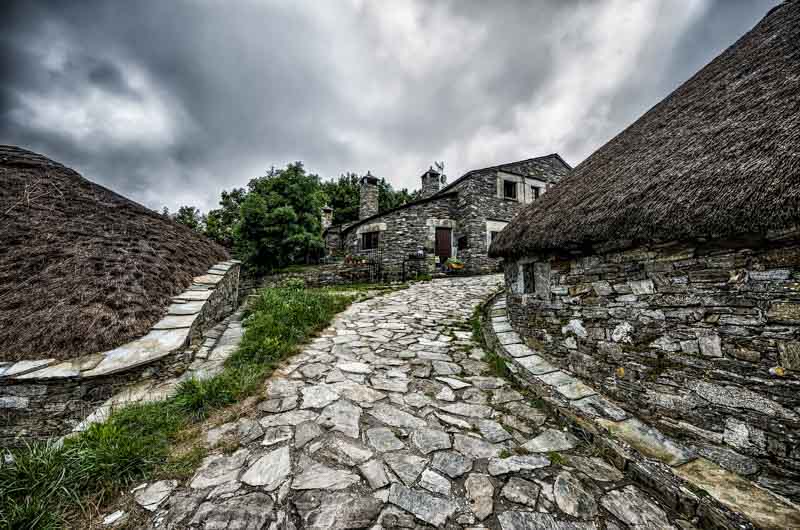
O Cebreiro
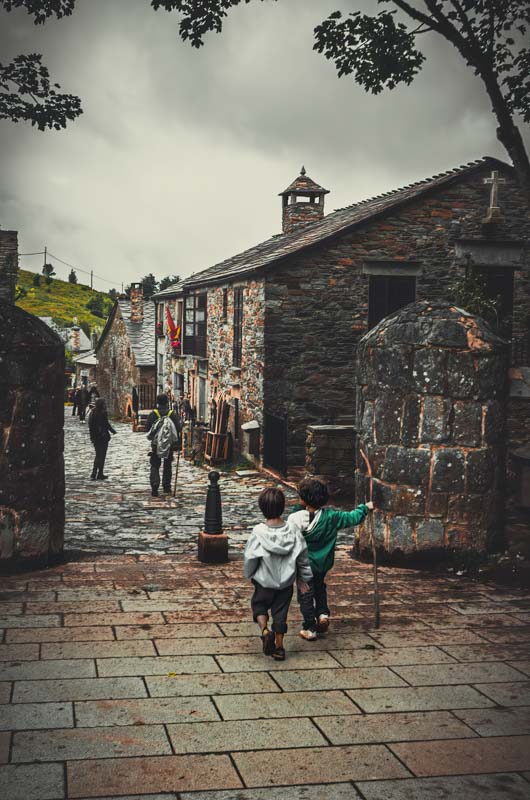
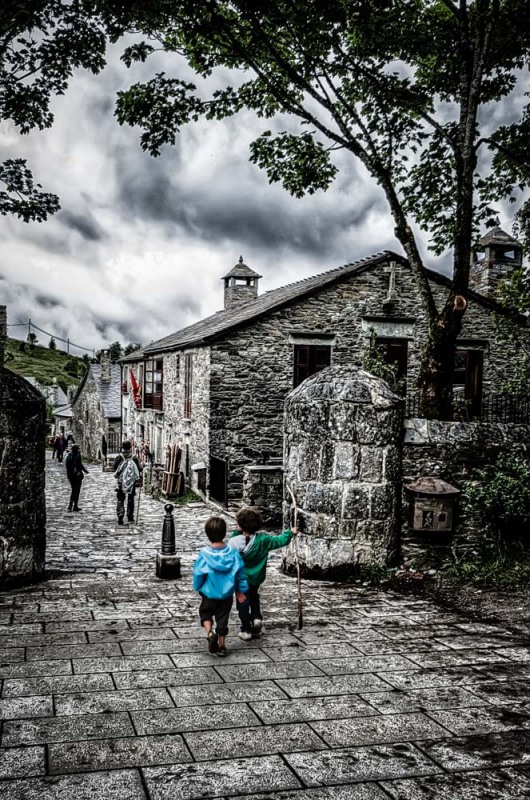
O Cebreiro, the village of Pallozas, is the gateway to Galicia for those who follow the Way of Saint James. They climb from the Meseta up to over 1.300 metres in height, the highest point of the surrounding mountains, dark and gloomy.
This is also the “rain divide” between the wet Galicia and dry central Spain. Here, the clouds stop their ride from the Atlantic Ocean. They’ve been pouring water over the whole of Galicia, and the last drops fall here. Well, they aren’t really only drops. It rains cats and dogs very often.
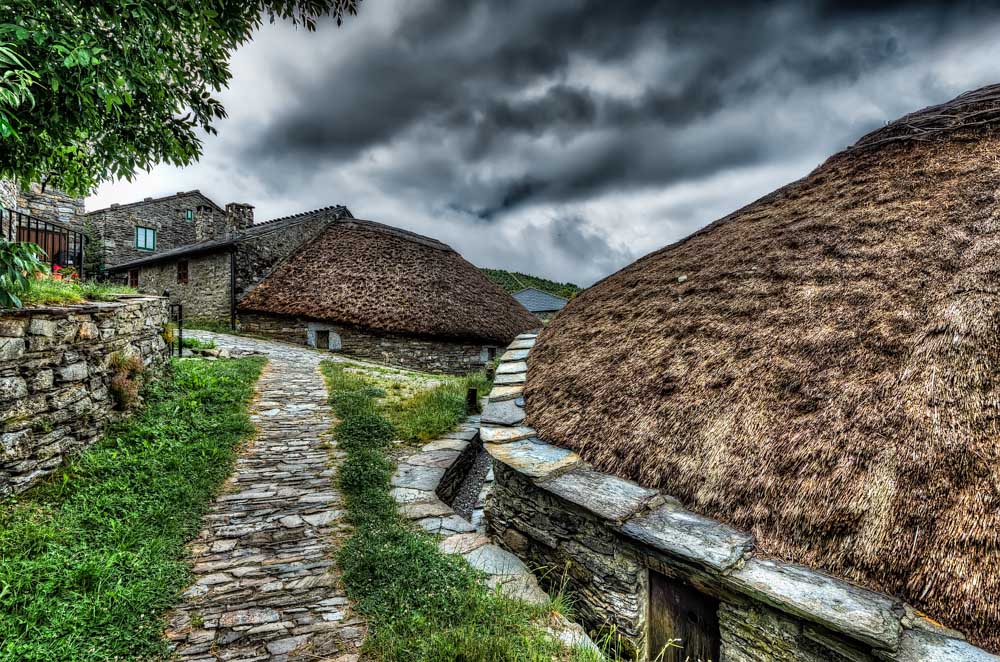
Pallozas
It is also cold up there. The tired wayfarers, used to the Spanish Meseta’s hot and dry climate, usually have a hard day, climbing the mountain and experiencing a new climate.
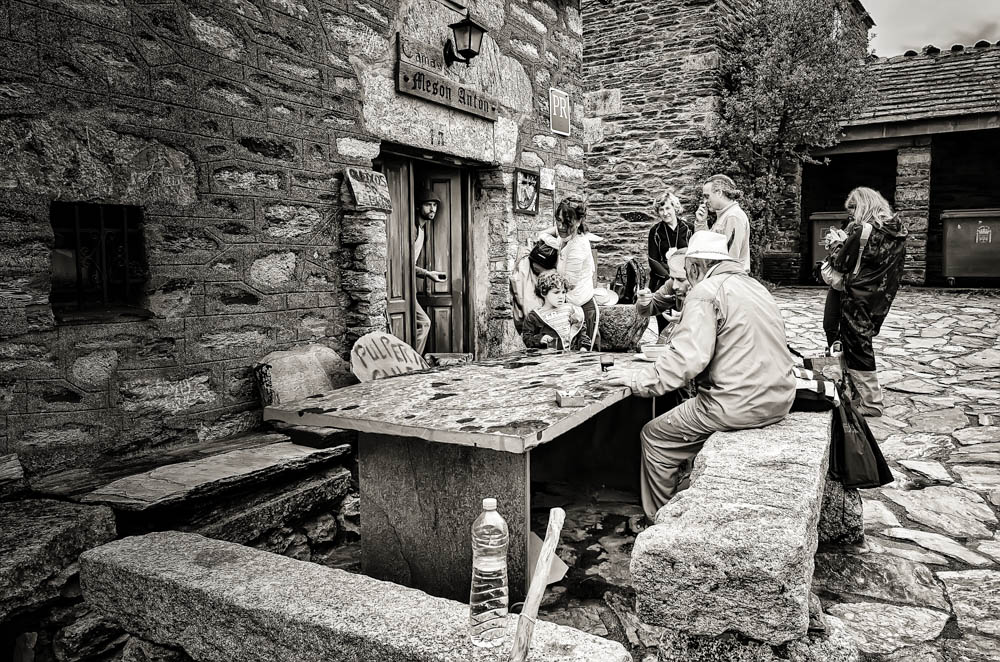
At the end of the way, they find shelter in the “pallozas”, elliptical stone houses with a pointed roof of woven reeds. They are likely of Celtic origin, as Cebreiro was founded before the arrival of the Romans. Some years ago, people used to live here, but nowadays, they are only host to restaurants and shelters for pilgrims.
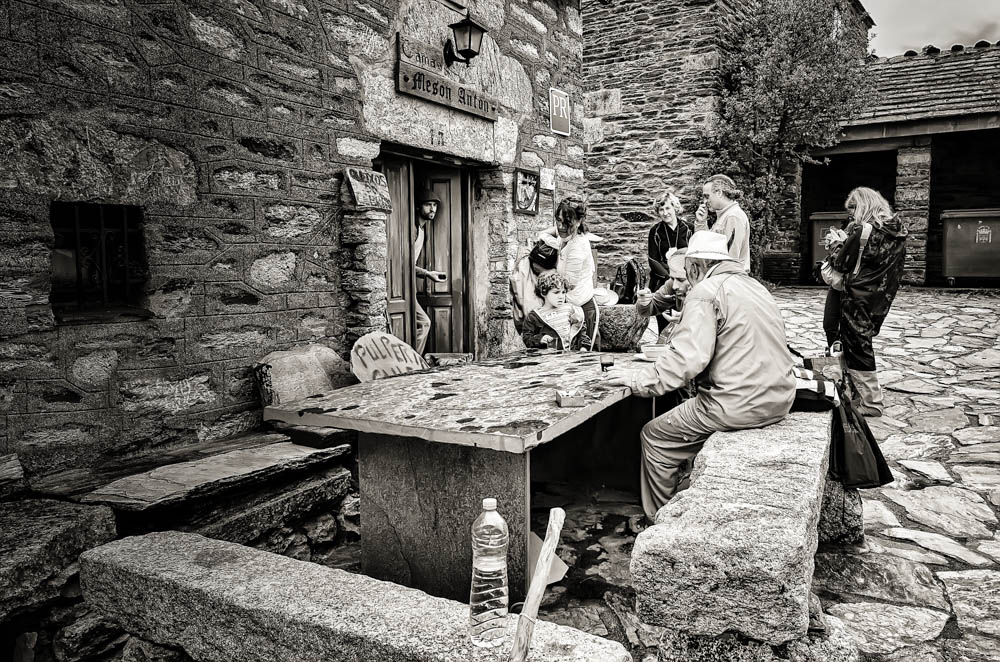
This is an ancient tradition here in Cebreiro. The monks of Cluny had a hostel until the last century, when new roads were opened and the way of St. James was no longer the only link between the Atlantic corner of Galicia and the rest of Europe.
The story
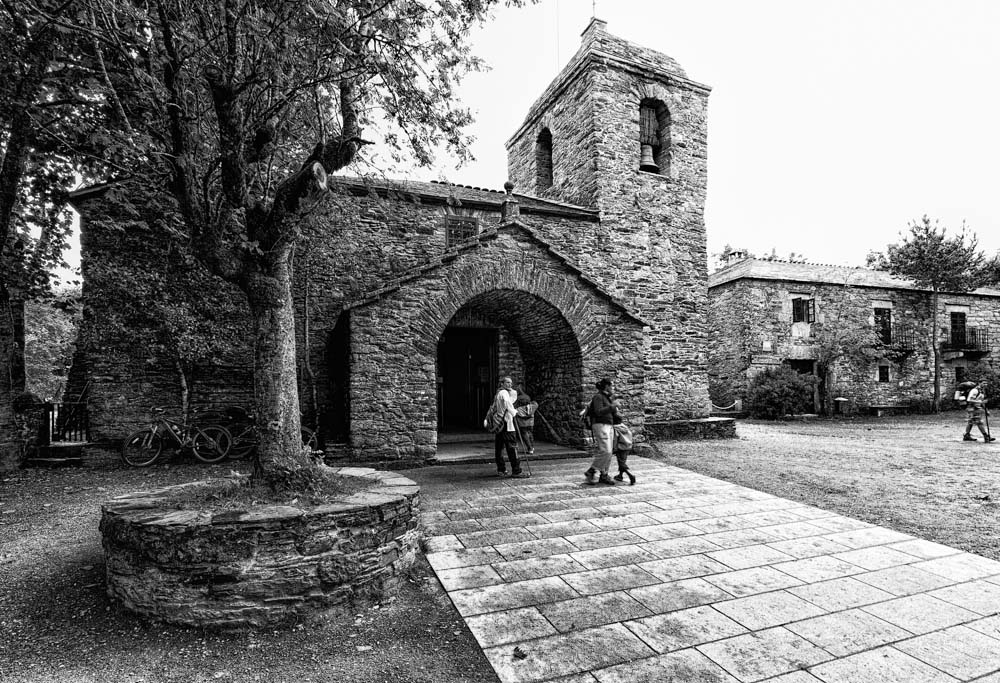
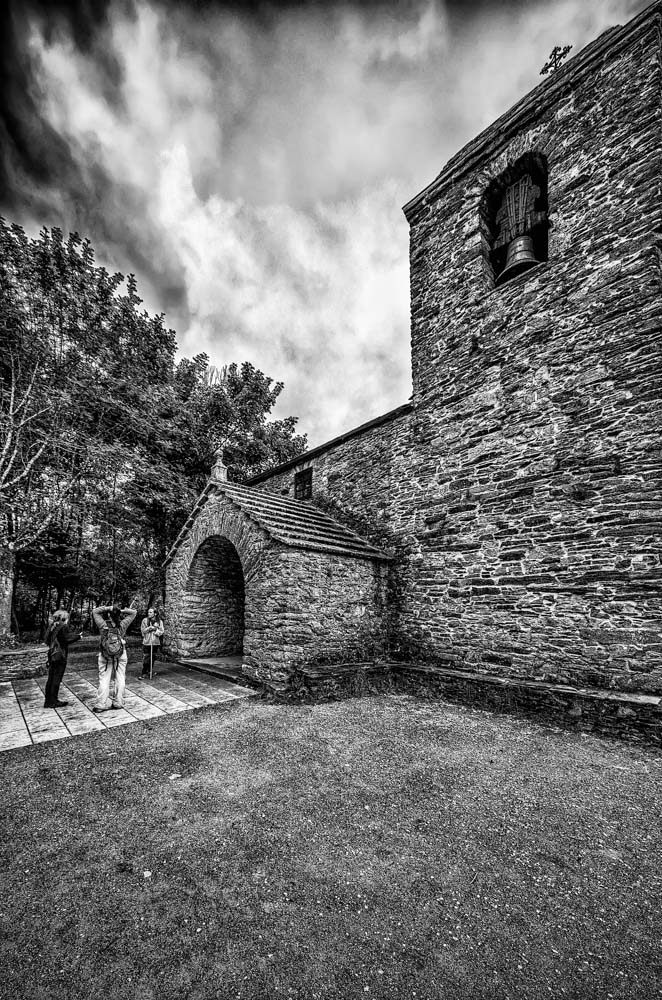
The hostel still stands, close to the Romanesque church of the 9th century. Here is preserved the holy chalice with the relics of the legendary miracle of the Holy Grail.
Tradition is that a weary priest was celebrating Mass in the little village church one winter’s day.
A peasant from a nearby village had fought his way to the top of the mountain through a fierce snowstorm to hear Mass. He entered the church just as the priest was performing the consecration. The priest insulted the peasant’s faith and ridiculed him for having come all the way to the top of the mountain in such severe weather to witness a non-existent miracle. At that very moment, the bread and the wine on the altar were transformed into flesh and blood.
A Royal visit
In 1486, the Catholic Monarchs, on a pilgrimage to Santiago, stopped at the monastery of O Cebreiro. They donated the shrine where the relics of the miracle are still held. The chalice of the miracle appears in the arms of Galicia. But the Romanesque church that hosts the chalice is a fake because the medieval church that was the stage of the legend was destroyed at the beginning of the 19th century during the anti-clerical revolution, and the present church was rebuilt in O Cebreiro in 1965–71 on the foundations of a pre-Romanesque church rediscovered in 1962.
In 1809, Cebreiro was invaded by the Scottish troops of General John Moore, in his retreat to La Coruña as he was pursued by the French. Several hundred British were killed due to the harshness of the Cebreiro winter. During this period, the relics of O Cebreiro were hidden in the village of Foxos, but the documents of the monastery were destroyed.
Due to its strategic position between León and Galicia, the road was also very important in the Spanish War of Independence.
Modern times
From the nineteenth century, Piedrafita do Cebreiro was a passage of the first modern highway between Galicia and inner Spain. In the twentieth century, it became the first motorway, which crosses the mountains through two tunnels.
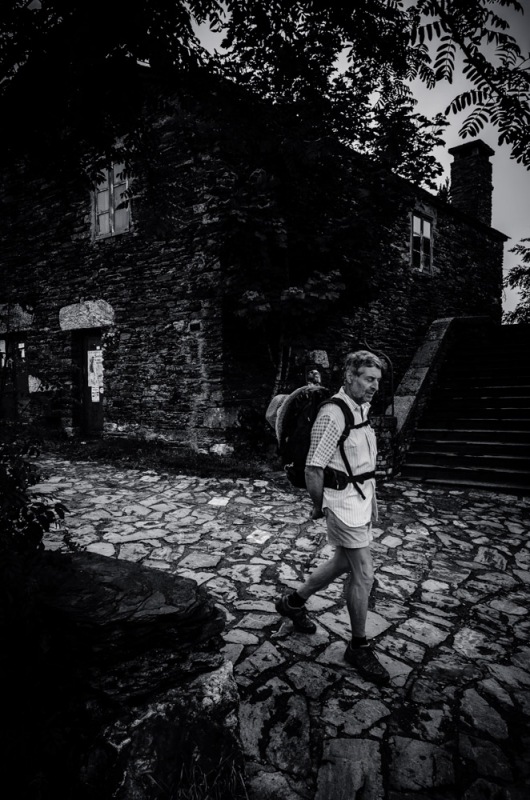
So now the old path has lost its economic importance, but still, hundreds and hundreds of wayfarers sweat along the steep way. Once on the top, the feeling is something like “OK, I’m done, Santiago is just around the corner”. It’s not really like that. But this feeling provides the pilgrim with a good mood to spend the night in bad weather on the top of a mountain at the border with Galicia. The land of fairy tales and witches, woodland fairies, flying spirits and Celtic mists wait for him/her.
Did you like this story?
Subscribe to my newsletter for new photographic stories and travel tales delivered straight to your inbox.
I only write when I have something meaningful to share.
No spam, ever



beautiful photos! thanks for the historical details as well.
Genial !! Enhorabuena y saludos.
Very beautiful, historic and so interesting!!