


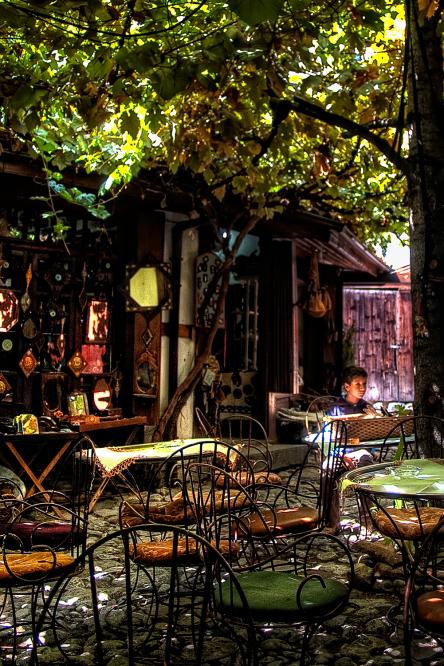
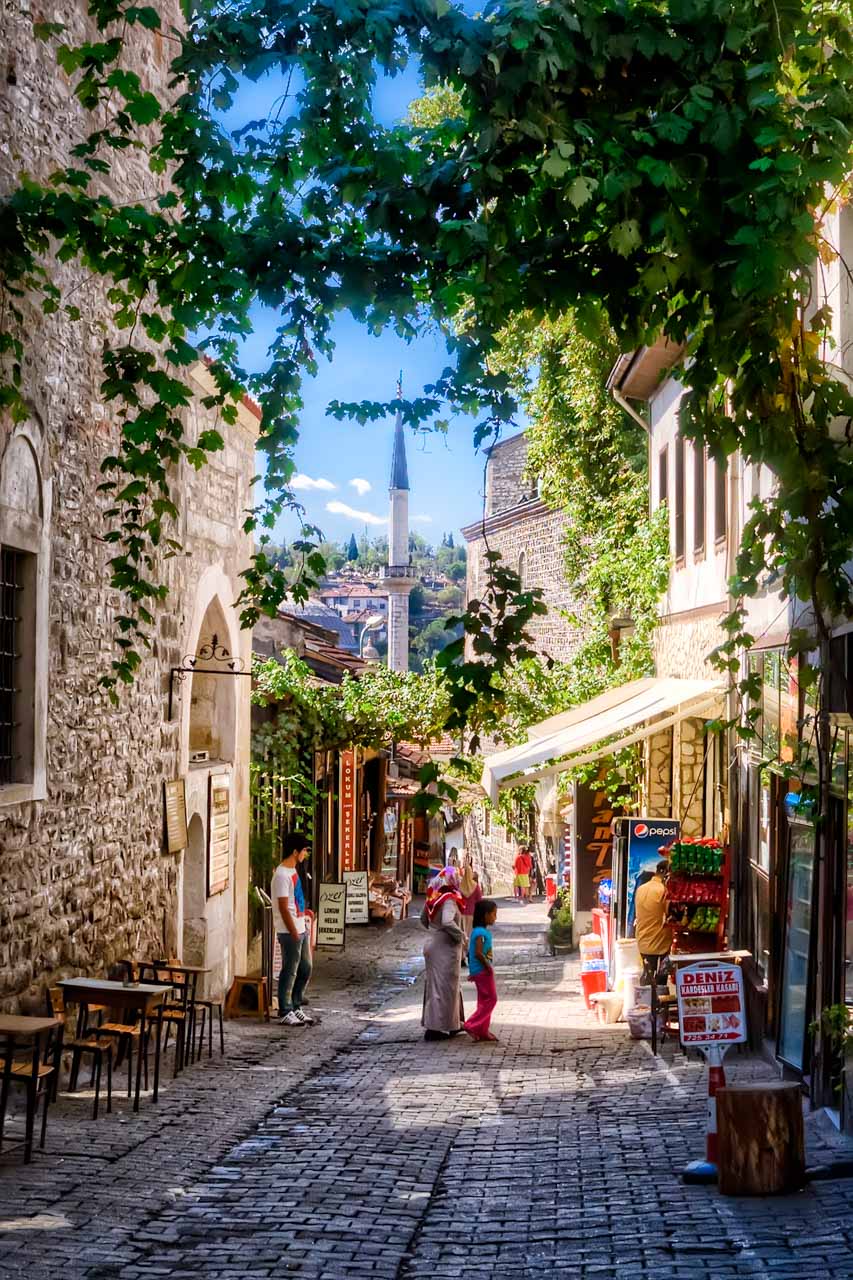
When in Safranbolu, sip a cup of salep under a vine; the sun sparkles through the green leaves and the purple grapes. Around you are mosques and Ottoman houses, three caravanserais and the Arasta Bazaar. It once housed all the cobblers of the town and is now a gem of wood and peace, surrounded by vines, with a great bar that serves traditional Turkish coffee.

Safranbolu, UNESCO World Heritage town
In Safranbolu, the Silk Road was one step from its longed Mediterranean end. I can imagine how the caravans would welcome this green and shady valley just before the infinite vastness of the Anatolian steppe plateau.

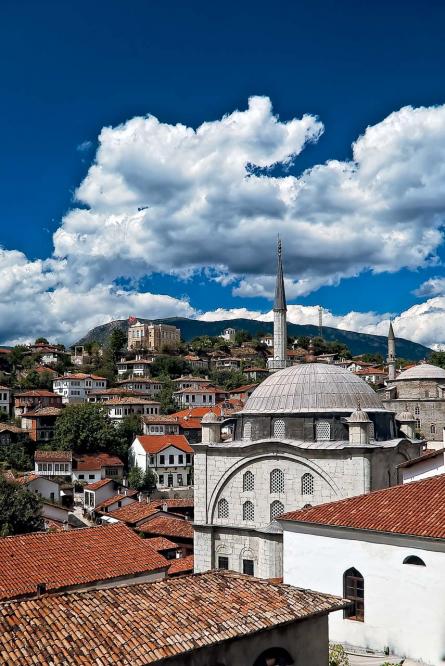
Safranbolu qualifies as a UNESCO World Heritage site. It is an ideal destination for travellers looking for authenticity and beautiful views. Its traditional wooden and stone Ottoman houses are clotted around some hills. Climb to the top of one of them and you’ll enjoy a superb view: the city, the minarets and domes of the mosque that dates back to 1300. And mountains all around
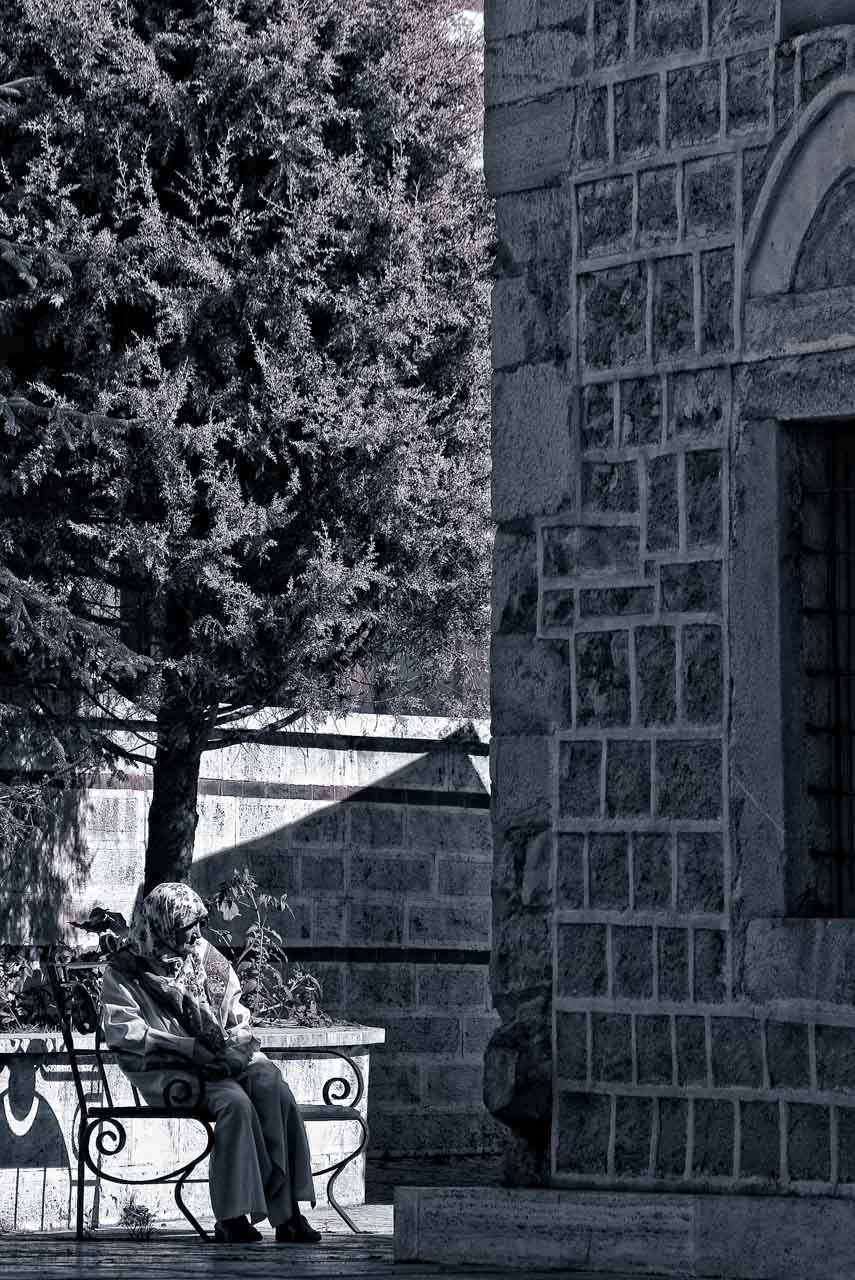
There is so much silence in Safranbolu, broken only by the recurring calls to pray of the muezzin. But if you visit it during Ramadan, then you should know that traditions are well respected here. Every Ramadan night, a few hours before dawn you’ll hear the sound and rhythm of a tambourine who goes through the streets to wake up and call the faithful to their last meal before the ritual fasting, which begins at sunrise. If you can continue sleeping, that won’t last long, since at sunrise the muezzin’s chant will wake you up anyway. At that point, get up and go visit the town during the quietest hours, with the better light.

The old town
In the central hours of the day, the light is often very raw. It’s made even tougher by the deep shadows cast by the overhanging roofs and the tents of the shops in the market.

To walk through the narrow cobbled streets of this town is a real pleasure. There are few tourists, there is no crowd. You find markets and the walls of the old caravanserai in the centre of the old urban core (today converted into a 5-stars hotel but still worth a visit). In the outskirts, a deep and narrow canyon is where blacksmiths work all day and sell their products.
Yörük Köyü, a time warp
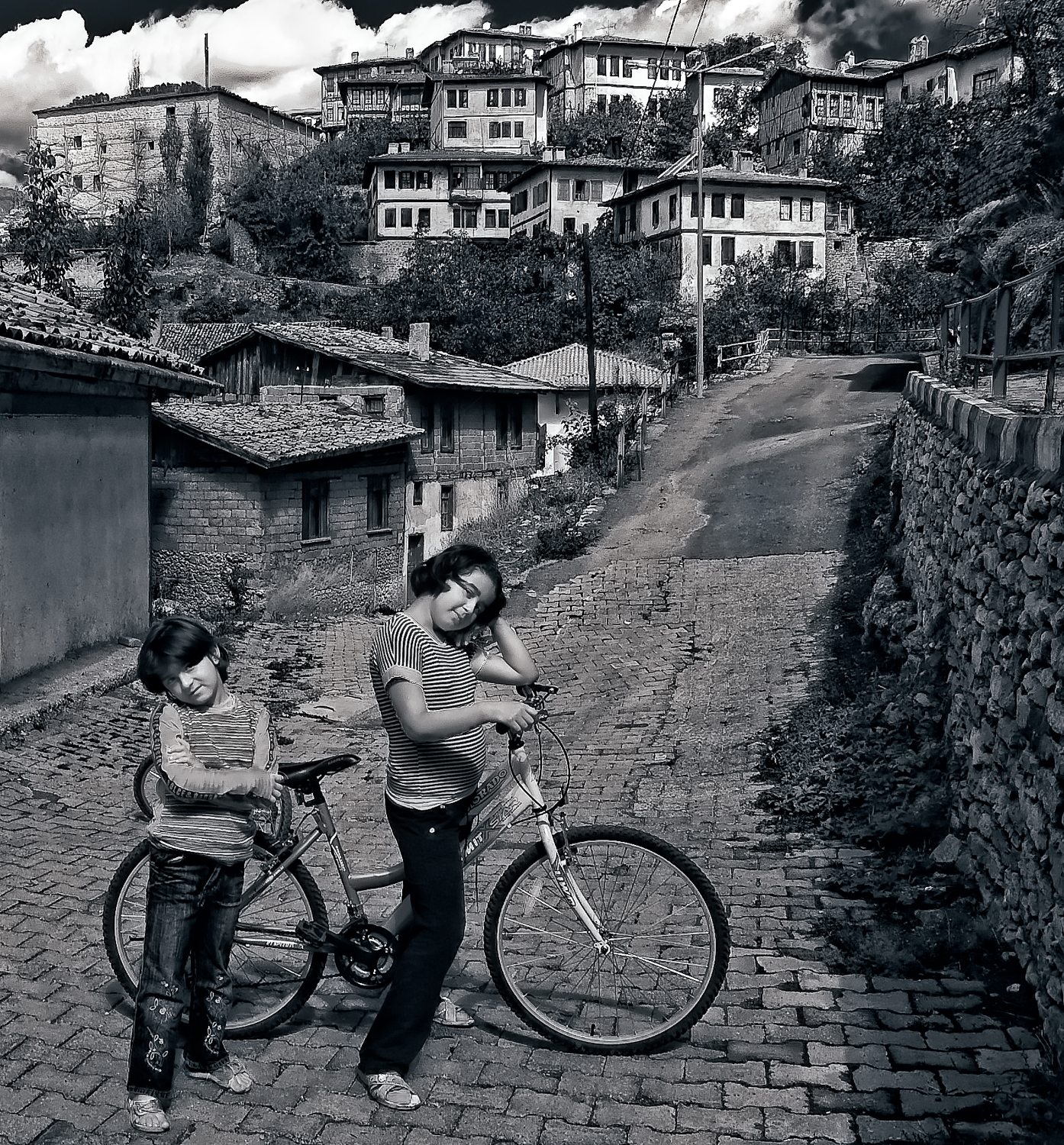
If you can afford to spend a dozen Euros, do take a taxi to Yörük Köyü. It’s a nearby village, almost completely uninhabited. It is magically preserved in a time warp. The name means “Village of Nomads”. Its inhabitants were once famous for their ability in making bread. In Istanbul, the best bakers are former inhabitants of Yörük Köyü, who emigrated to the big city.

The village is charmingly under-restored. Ancient cream-plastered Ottoman houses dating back to the sixteenth century wait for you There are quiet corners, the square with the minaret and the mosque. All is silent and almost deserted.

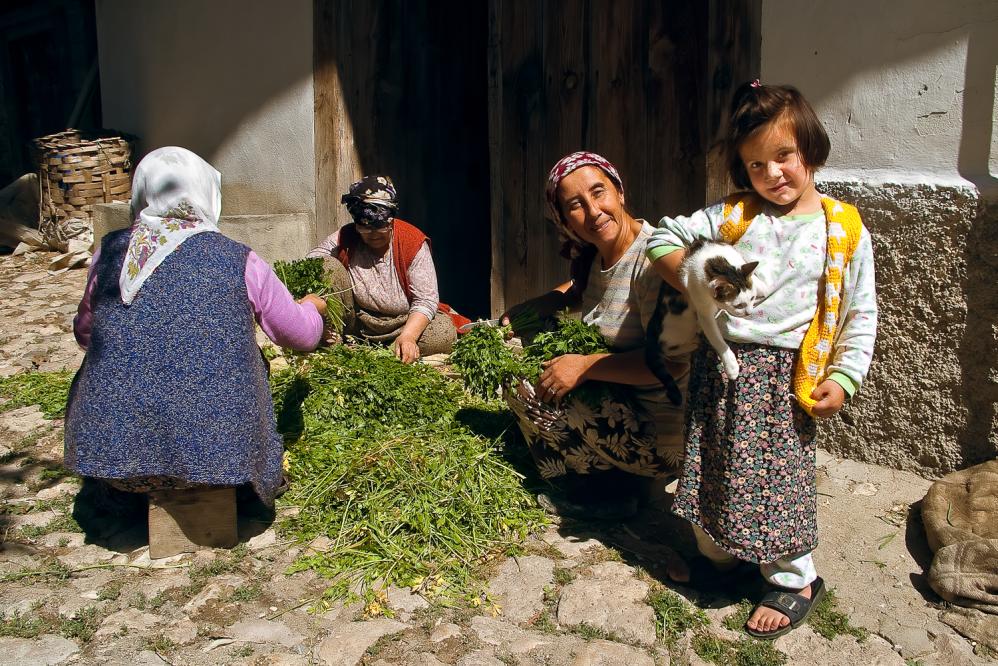
Today in Yörük Köyü live very few people (official sources say 144). All the young men are away, mostly elderly, women and children remain here. You meet them along the unpaved roads of the village, busy with their agricultural work. Or lounging in the cool of the shadow cast by the mosque.

This is a charming remote place where you can find peace, quietness and beautiful houses often in a poor state of preservation. Not yet a ghost town, but something very close to it.







Do you need a visa for visiting Turkey and Safranbolu?
Is a visa required to visit Turkey due to your nationality? You can easily get an e-Visa through IVisa.com!

Did you like it? For more beautiful photos and travel stories, just use the menu above and browse the site. Do you know that you can send any of my images as an e-card?
Just choose your favourite image, press the e-card- button down on the right and that’s it, the pic is ready to be sent to your loved ones! Just give it a try, it’s fun and it’s free!
Would you also like to read all my upcoming travel stories? Just click here and subscribe to my newsletter.
I will mail you only when I release a new article. Your information is 100% safe and never shared with anyone
i visited your blog and looked your photos. Well done. All of them great photos and succesfully travelling. Best regards.
Great photos!